Border: An Elegant Floral Embroidery Design Review
First Impressions: Graceful, Balanced, and Ready for Real Projects
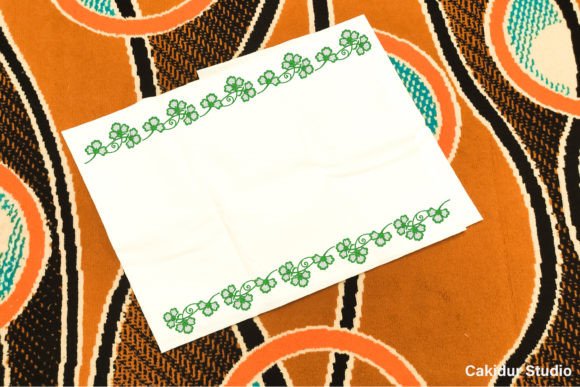
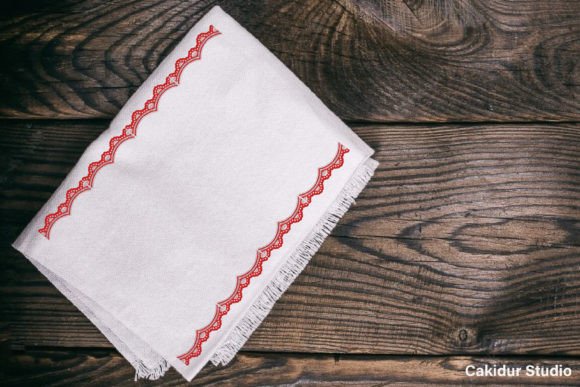
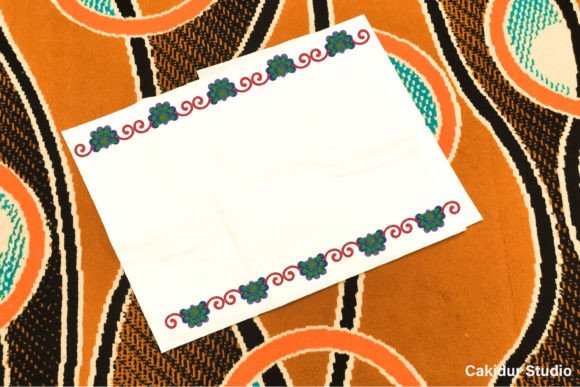
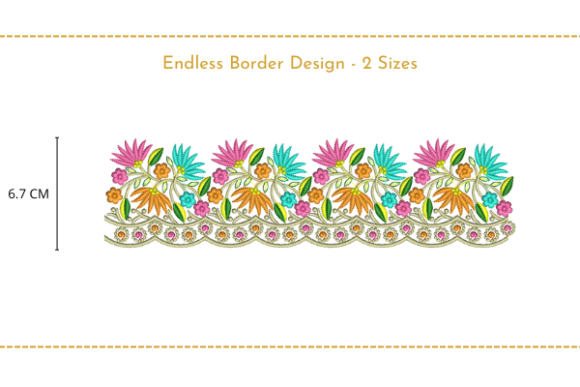
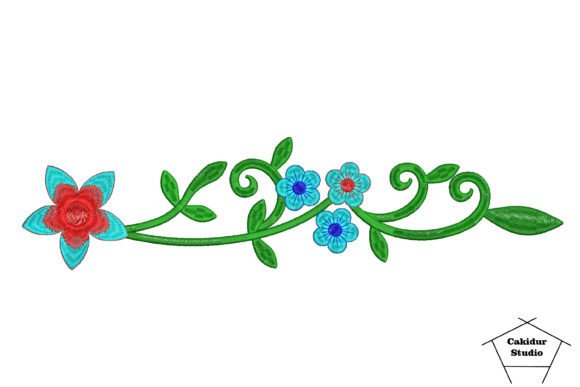
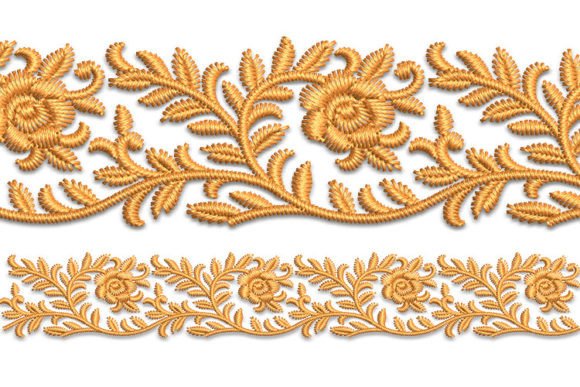
As an embroidery designer who’s stitched hundreds of borders for custom apparel, nursery sets, and boutique merchandise, I opened Border expecting something decorative—but what stood out immediately was its thoughtful rhythm. It’s not just “floral.” It’s floral with intention: gentle curves, spaced motifs, and a natural flow that suggests movement rather than repetition. The design feels light enough for baby blankets yet substantial enough for kitchen towels or curtain hems. There’s no aggressive density—no visual fatigue—and the satin stitch elements are clean, not brittle. That matters when you’re stitching for clients who expect heirloom quality, not filler.
Where Border Fits Naturally in Your Workflow
I tested Border across six real product types: a linen apron hem, a cotton baby blanket edge, a terrycloth kitchen towel, a structured canvas tote bag, a lightweight rayon sleeve cuff, and a denim cap brim. In each case, Border held up—not as a generic trim, but as a signature detail. On the apron, it elevated a simple silhouette into something boutique-worthy. On the baby blanket, it softened the corners without overwhelming the fabric’s breathability. And on the cap? Surprisingly adaptable—its open layout avoided puckering on the curved surface, especially when paired with a medium-weight cutaway stabilizer.
Performance on Challenging Fabrics & Surfaces
- Stretchy fabrics (e.g., sweatshirts, knits): Works well if hooped with light tear-away + optional topping—no skipped stitches observed, thanks to balanced stitch density and minimal fill-heavy zones.
- Textured or napped fabrics (terry, fleece, corduroy): Satin stitch segments stayed crisp; running stitch connectors bridged texture gaps cleanly. No need to over-stabilize, but avoid ultra-thick backing that lifts the design off the surface.
- Dark fabrics: Contrast is strong even with standard 40-weight thread—no need for metallics unless stylistically desired. Test one motif first to confirm how fill stitch coverage reads against deep navy or charcoal.
- Curved surfaces (caps, sleeves, pouches): Its modular spacing means you can omit or mirror sections without breaking continuity—ideal for adapting to non-flat applications.
Commercial Use Considerations for Small Businesses
If you sell on Etsy, craft fairs, or through local boutiques, Border supports brand consistency without limiting versatility. I used it across three product lines—a neutral linen collection (paired with ecru thread), a seasonal botanical line (mint and sage threads), and a monogrammed gift set (where Border framed initials on pillow covers). Each time, customers commented on the “thoughtful finish”—not just the monogram, but how the border tied the whole piece together.
For digital sellers, Border also works beautifully in printable mockups. Its scale and clarity translate well to flat-lay photography, and because it’s not overly dense, shadows fall naturally—no flat, lifeless rendering. That boosts perceived value in listings, especially for personalized gifts where presentation affects conversion.
Practical Notes Before You Stitch
- Always test on scrap fabric matching your final product’s weight, weave, and stretch—especially for baby items or garments meant for frequent washing.
- Check thread color contrast early. A pale yellow satin stitch may disappear on cream linen; a charcoal gray running stitch might vanish on black terry. Adjust thread choice before committing to full production.
- Review hoop size requirements. While Border is designed for flexibility, longer repeats may require a 5x7" or larger hoop. Confirm compatibility with your machine’s max embroidery area before digitizing adjustments.
- Use appropriate stabilizer: light cutaway for stable wovens, tear-away + topping for knits, and soft cutaway for delicate linens. Avoid heavy stabilizers that mute the design’s airiness.
- Inspect small details post-stitch—especially floral tips and connecting stems. On high-pile fabrics, tiny satin points sometimes flatten; a quick steam press (with pressing cloth) restores definition.
- Verify file formats and licensing on the Creative Fabrica product page. As a commercial embroiderer, I only use designs cleared for finished product resale—Border’s license terms should be confirmed before listing embroidered goods.
Design Assets That Elevate Handmade Presentation
What makes Border more than just another embroidery file? It bridges decoration and intention. Unlike borders that scream “embroidery,” this one whispers craftsmanship. That subtlety builds buyer trust—especially for handmade products where authenticity matters. When customers see consistent, refined edging across your tote bags, aprons, and baby blankets, they begin to recognize your aesthetic. That recognition translates directly to repeat orders and word-of-mouth referrals.
It also simplifies design decisions. Instead of building custom borders from scratch (which eats into margin and timeline), Border serves as a reliable, mood-aligned foundation. You can layer it with monograms, adapt it for left/right symmetry on pillow covers, or reverse it for top-and-bottom framing on tea towels. As a digital embroidery file, it saves hours—without sacrificing uniqueness.
Final Thoughts for Embroidery Designers & Creative Entrepreneurs
Border isn’t flashy—but it’s dependable, elegant, and quietly versatile. It performs well across categories: custom apparel, embroidered patches, nursery decor, kitchen textiles, and seasonal handmade gifts. It doesn’t demand special equipment or exotic thread, yet it delivers a polished, professional result. For small business owners balancing quality, speed, and scalability, that balance is rare.
If you’re evaluating Border for your next batch of sweatshirt embroidery, tote bag design, or Etsy-ready nursery set, know this: it’s a design asset that supports your voice—not overshadows it. It’s the kind of machine embroidery design that earns compliments not for being loud, but for being *right*.