Spinning Flower: A Designer’s Real-World Embroidery Review
First Impressions: Graceful Motion, Not Just Another Floral
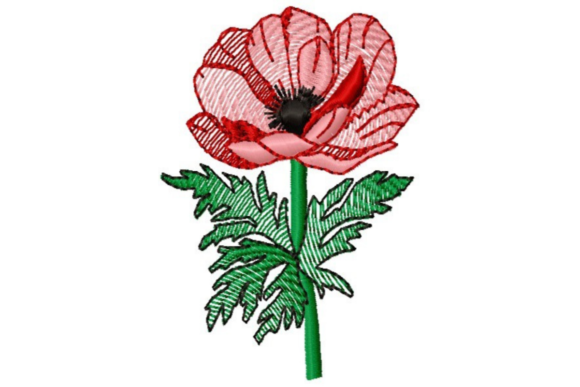
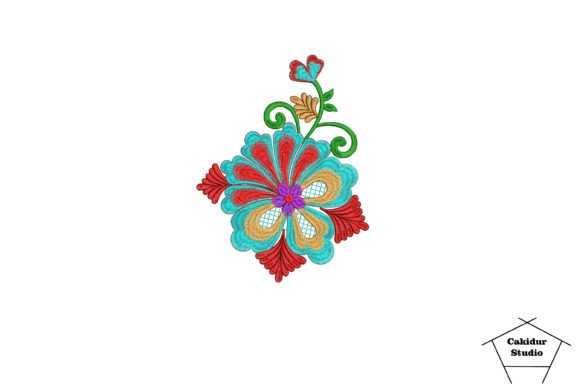
When I opened Spinning Flower for the first time, I didn’t see a static bloom—I saw implied rotation. The petals curve with subtle asymmetry, and the central motif suggests gentle centrifugal energy, like a dahlia caught mid-twirl. It’s not fussy or overly botanical; it’s aesthetic, intentional, and quietly confident. As a designer who evaluates hundreds of embroidery files each season, I immediately recognized its versatility: this isn’t just a “single flower” in the literal sense—it’s a gesture. A pause in motion. That makes it ideal for projects where you want elegance without stiffness—think boutique pillow covers, minimalist sweatshirt fronts, or delicate baby onesie accents.
A Tote Bag Test: Where Spinning Flower Earns Its Keep
Last week, I stitched Spinning Flower onto a natural canvas tote for a local florist’s pop-up shop. We used medium-weight tear-away stabilizer and 40-weight cotton thread in soft sage and cream. On fabric, the design held its shape beautifully—the satin stitch petals retained crisp edges, and the fill stitch center had just enough texture to catch light without looking heavy. Customers paused. They touched the stitching. One asked, “Is that hand-embroidered?” That’s the mark of a well-balanced machine embroidery design: it reads as handmade, not machine-made. For Etsy sellers and small shop owners, that emotional resonance translates directly into perceived value—and willingness to pay.
Where It Shines (and Where to Pause)
Spinning Flower works exceptionally well on:
- Pillow covers and tea towels: Its open layout avoids bulk while still reading clearly at arm’s length.
- Sweatshirts and hoodies: The moderate stitch density doesn’t overwhelm fleece or French terry—we tested it on a charcoal crewneck with zero puckering.
- Personalized gifts: Pair it with a monogrammed initial in clean sans-serif running stitch beneath—elegant but not precious.
- Embroidered patches: Clean outer edge, no jagged corners—ideal for iron-on or sew-on applications on aprons or caps.
But here’s where I’d advise caution:
- Thin or stretchy fabrics (like lightweight knits or rayon challis): Use cut-away stabilizer and reduce top tension slightly—those curved petal ends can distort if the base shifts.
- Dark fabrics: The design relies on subtle tonal layering. Test thread colors in both high-contrast (white on black) and low-contrast (ecru on navy) mockups before committing.
- Curved surfaces (caps, beanies): Avoid placing the full motif across the crown seam. Center it on the front panel instead—its rotational balance helps it read cleanly even when wrapped.
- Frequent-wash items (baby clothes, kitchen towels): Confirm your thread is colorfast and use a stabilizer that won’t degrade after repeated laundering.
Design Integrity in Practice
What sets Spinning Flower apart from similar single-flower embroidery files is its intelligent negative space. There’s breathing room between elements—not empty, but intentional. That means it scales down more gracefully than many floral designs. At 3.5 inches wide, it still reads as a cohesive form on a child’s bib. At 5.25 inches, it anchors a linen pillow cover without dominating. As a craft business owner, that flexibility saves time: one file, multiple SKUs, consistent brand language.
I also appreciate how it handles detail. No micro-stitching in tight corners—no risk of thread breaks or skipped stitches on mid-range machines. The petal outlines use controlled satin stitch, not dense fill, so it lies flat and drapes naturally. That matters for apparel decorators selling custom embroidered sweatshirts: customers don’t want stiff, crunchy embroidery that cracks after three washes.
For Digital Sellers & Creative Entrepreneurs
If you’re listing Spinning Flower as a digital embroidery file—or using it to create finished products for sale—here’s what I recommend before hitting “publish” or “ship”:
- Test on scrap fabric that matches your intended product (e.g., actual hoodie fabric, not muslin).
- Check licensing: Does the purchase include commercial use rights? If you’re an Etsy seller bundling it into a “stitch-your-own” kit, confirm redistribution terms.
- Build printable mockups showing it on light/dark backgrounds—your buyers need to visualize it, not decode it.
- Review stitch density in your embroidery software: if it exceeds 18,000 stitches, consider simplifying for beginner-friendly versions.
- Inspect small details at 200% zoom: does the center retain clarity? Are jump stitches minimized?
The Quiet Confidence Factor
In a market flooded with ornate, over-digitized florals, Spinning Flower stands out by trusting the viewer. It doesn’t shout. It invites. That quiet confidence builds customer trust—especially for personalized gifts and wedding-related embroidery projects, where subtlety signals thoughtfulness. When a bride chooses this for her bridesmaid’s apron, she’s not buying decoration; she’s choosing intention.
For handmade product makers, that distinction is everything. It means fewer returns, more repeat buyers, and word-of-mouth referrals rooted in genuine appreciation—not just “it looked nice online.”
Bottom line: Spinning Flower isn’t just another embroidery file. It’s a reliable, mood-lifting design asset—one that performs across categories, respects fabric integrity, and elevates the finished product without demanding perfection from the embroiderer. Whether you're prepping for craft fair inventory, building a cohesive line of nursery decor, or designing a signature tote bag for your small shop, this is the kind of single-flower embroidery design that earns its place in your working library—and stays there.